
Before You Build: Make Sure Your Land Can Get Power
Buying land is an exciting first step toward building your dream home. Whether you're planning a manufactured home, modular home, or traditional site-built home, there's one critical question you need to answer before moving forward:
Can power be connected to the property?
It may seem like a simple detail, but overlooking electrical service availability can lead to unexpected delays, additional costs, and major headaches during the building process.
Why Power Availability Matters
A beautiful piece of land isn't always ready for construction.
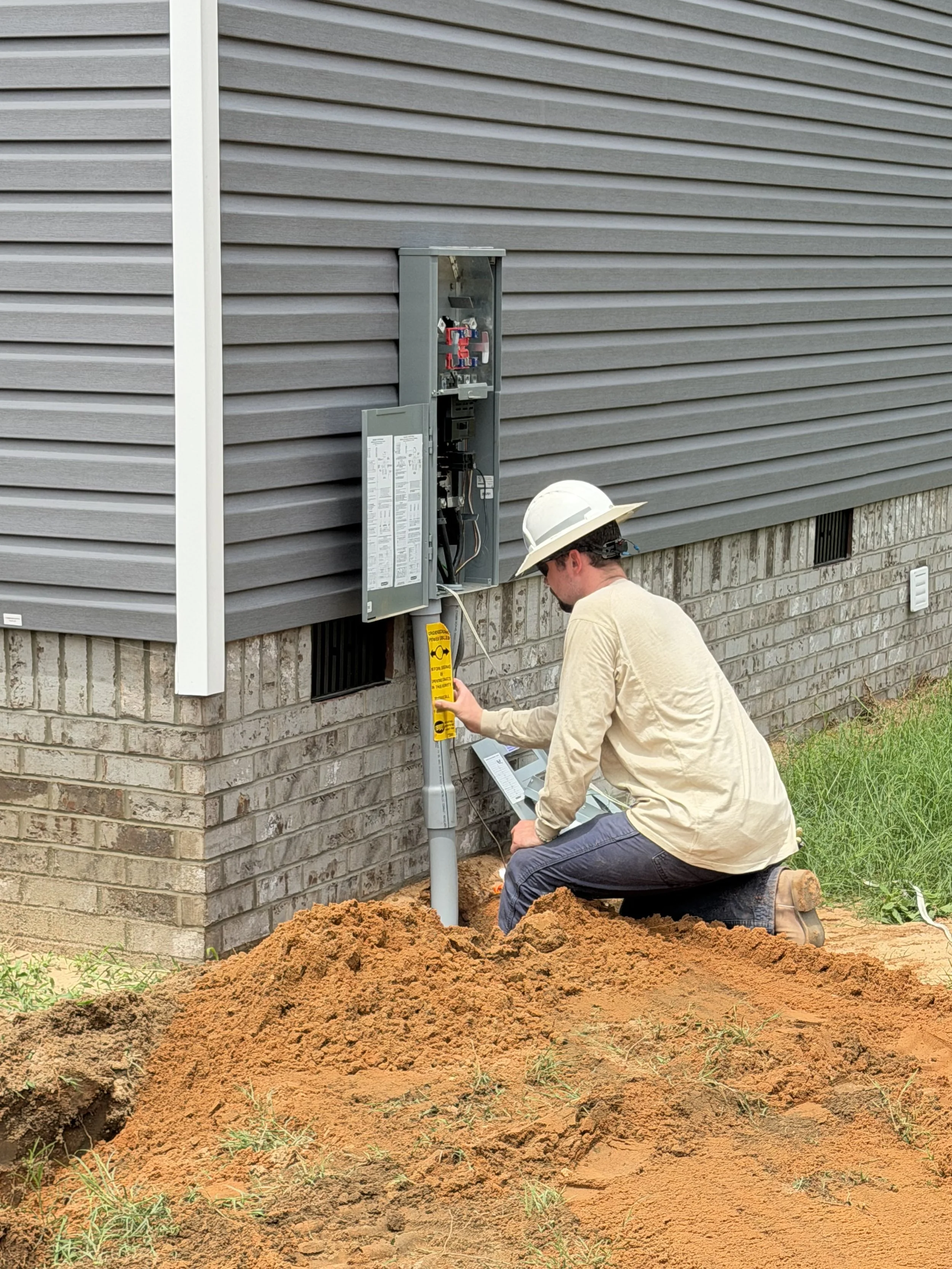
Just because a property has road access doesn't mean electrical service is readily available. In some cases, power lines may be located hundreds or even thousands of feet away from the building site. Extending service can become expensive, and in certain situations, additional easements or utility approvals may be required.
Understanding these factors before purchasing land or ordering a home can save you time, money, and frustration.
What to Check Before You Build
1. Identify the Utility Provider
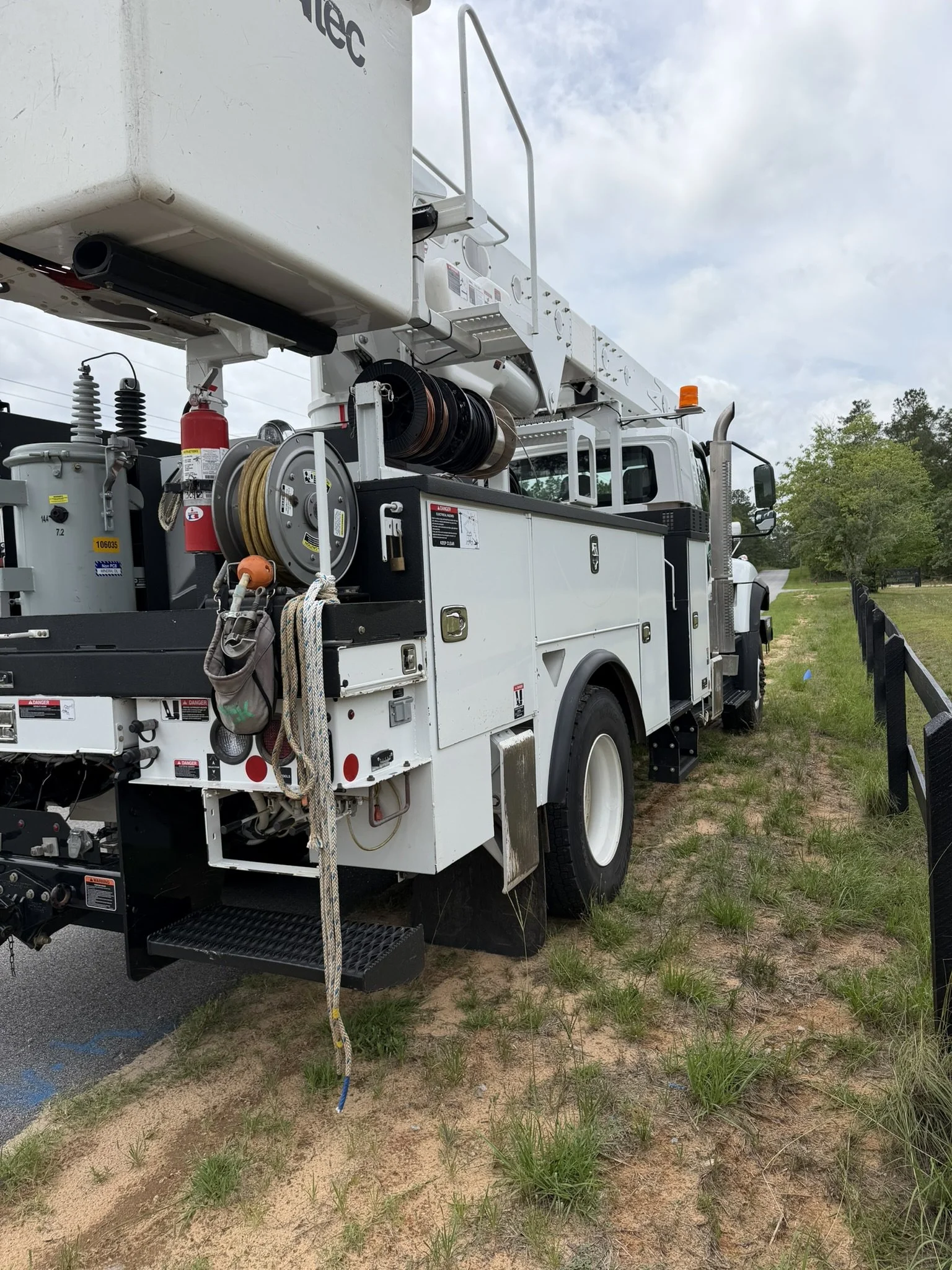
The first step is determining which power company services the area. Different utility providers have different requirements, costs, and timelines for new service connections.
2. Verify Existing Power Access
Ask questions such as:
Is power already available at the property?
Is there an existing meter base?
How far is the nearest power pole?
Has the property ever had electrical service before?
These details can significantly impact your project's budget and timeline.
3. Request a Site Evaluation
Most utility companies can evaluate a property and provide guidance on what will be required to bring power to the site. This information can help you make informed decisions before construction begins.
4. Understand Potential Costs
Every property is different. Some lots may only require a simple service connection, while others may need additional poles, underground service, transformers, or easements.
Knowing these costs upfront helps prevent surprises later.
Timing Matters
Many buyers focus on selecting floor plans, colors, and finishes, but utility planning should happen early in the process.
Power installation often involves coordination between the homeowner, utility company, contractor, and sometimes local permitting offices. Starting these conversations early helps keep your project moving forward.
How The Home Station Helps
At The Home Station, we work with buyers every day who are placing homes on private land. One of the first things we help evaluate is whether the property is ready for utilities, including electrical service.
Our goal is to identify potential issues before they become costly delays so you can move forward with confidence.
Building on your own land can be one of the most rewarding paths to homeownership. Just make sure the groundwork is complete before the home arrives.
Because the last thing you want is a beautiful new home waiting on power.
Ready to explore a home and land package or place a home on your property? Contact The Home Station today and let our team help guide you through the process.
